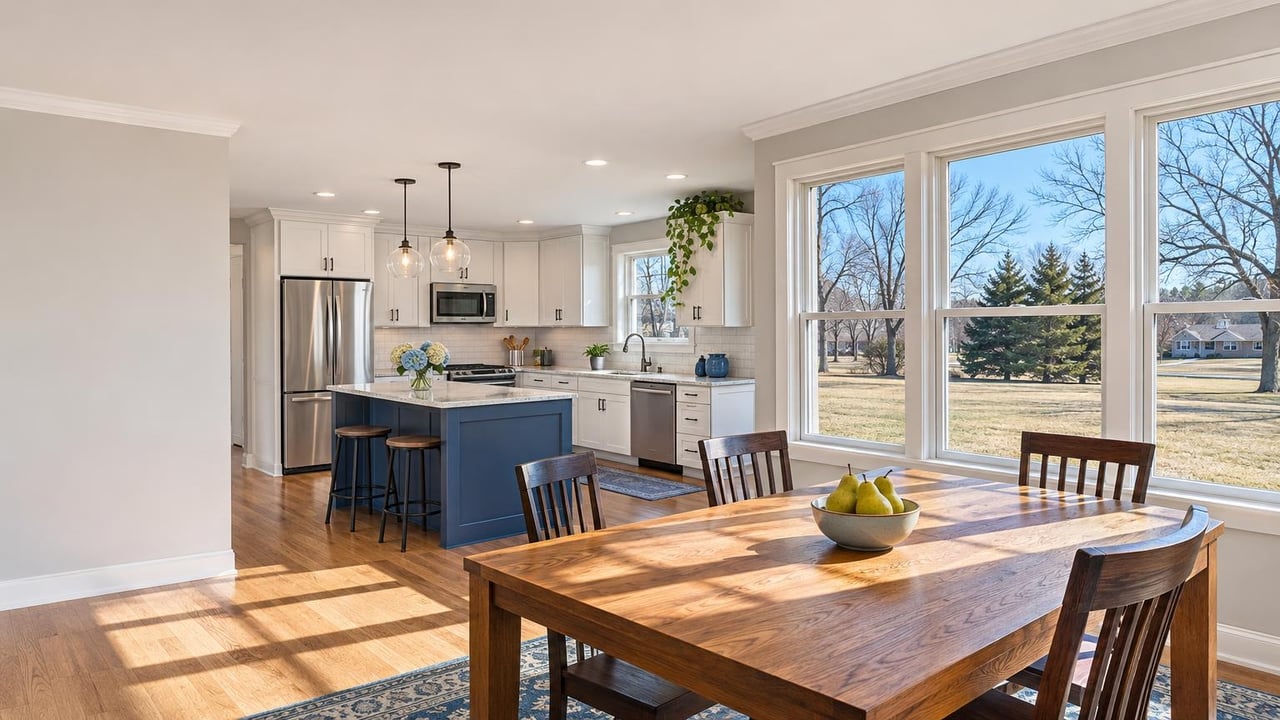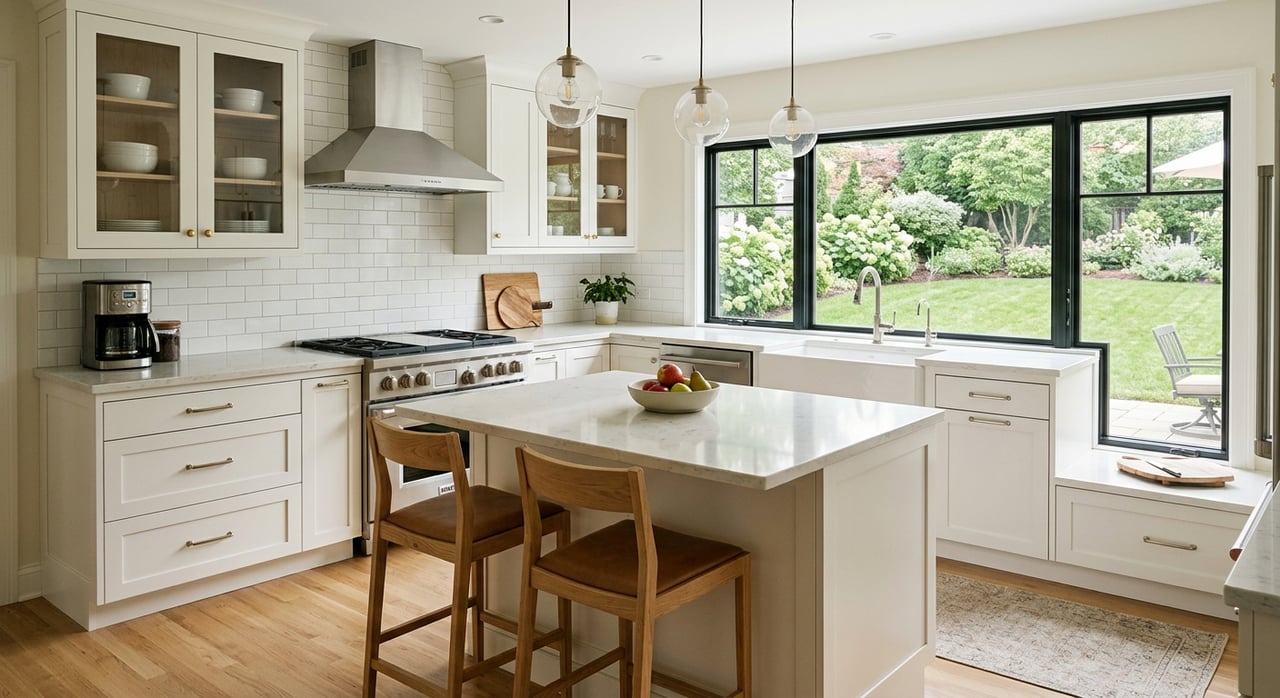
Wondering why one Topeka home sells in days while another sits and chases price cuts? In today’s market, pricing right from the start can shape how many buyers show up, how strong your offers look, and how smoothly you get to closing. If you want to sell with confidence, this guide will help you understand what should drive your list price and what can throw it off. Let’s dive in.
What today’s Topeka market means for pricing
Topeka remains relatively affordable, but that does not mean pricing is casual or forgiving. Recent market snapshots show a market that is active, fast-moving in many cases, and sensitive to overpricing.
Redfin’s May 2026 closed-sale data put the median sale price in Topeka at $184,839, up 8.7% year over year, with a median of 12 days on market. Zillow’s April 30, 2026 update showed an average home value of $193,522, with homes going pending in about 8 days. Realtor.com’s May 2026 local page showed 528 active listings, a 22-day median market time, and a 102% sale-to-list ratio.
Those numbers are all useful, but they do not mean the same thing. Closed-sale prices, home-value estimates, and active listing data are different market lenses, so your pricing strategy should not rely on just one headline number.
Why one number is not enough
It is tempting to grab the highest online estimate and treat it like your target list price. In reality, that can lead to missed buyers, extra days on market, and later price reductions.
Public data labels can differ without being wrong. One source may describe Topeka as very competitive, while another may call it balanced, and another may focus on estimated values rather than actual sale prices. Your goal is not to choose the most flattering number. Your goal is to find the most defensible price range for your specific home.
That is especially important in Shawnee County, where the county’s 2026 market analysis noted estimated residential value inflation of about 3% to 10% depending on location. That broad county view can offer context, but it is not the same thing as pricing your individual property.
Start with sold comps
The strongest starting point for pricing your Topeka home is recent comparable sales, often called comps. These are similar homes that have actually sold in the same area.
A solid pricing analysis can also look at homes that are under contract and currently active, but sold homes should anchor the conversation. That is because closed sales show what buyers were actually willing to pay, not just what sellers hoped to get.
When comparing comps, details matter. Age, size, style, quality, condition, and location can all shift value up or down, and one sale alone does not determine market value.
What makes a comp truly comparable
Not every home nearby belongs in your pricing conversation. A useful comp should be as close as possible to your home in key features and timing.
Here are a few things that matter most:
- Similar square footage
- Similar bed and bath count
- Similar lot size
- Similar age and style
- Similar condition and update level
- A recent sale date
- A nearby location with similar buyer demand
If your home has a new roof, updated kitchen, or remodeled bath, that may justify pricing toward the top of the local comp range. If it has deferred maintenance, older mechanicals, or a more dated interior, buyers will usually factor that in quickly.
Condition matters more than many sellers expect
Buyers do not price your home by square footage alone. They are looking at the full package, including repairs, upgrades, presentation, and how much work they think they will need to take on after closing.
In practical terms, kitchens, bathrooms, roofing, HVAC systems, curb appeal, and visible maintenance issues can all influence where your home lands within the comp range. Renovations, repairs, and even concessions can affect value.
This does not mean you need to renovate everything before listing. It does mean you should be realistic about how your home compares to the homes buyers are seeing in the same price band.
Tax value is context, not a list price
Many sellers look at their county tax value and assume that number should guide their asking price. It can be helpful background information, but it should not replace a comps-based pricing strategy.
Kansas values homes for tax purposes at fair market value using comparable sales and adjustments for differences. Still, that process supports assessment and appeal work, not day-to-day listing strategy in a live market.
If your assessed value is lower or higher than you expected, do not panic. Treat it as one input, not the final answer.
Seasonality still affects your strategy
Even in a market with steady demand, timing can influence how buyers respond to your price. Redfin notes that housing data is seasonal and tends to run higher in spring and summer.
That matters because buyer energy and listing competition can change during the year. In a stronger spring window, a well-priced home may move very quickly. In a slower period, buyers may compare more carefully and negotiate harder.
The key takeaway is simple: your price should fit both your home and the season you are entering.
The safest pricing strategy for most sellers
If your goal is to sell in a reasonable timeframe and protect your deal from appraisal trouble, pricing at or very near market is usually the safest path. It gives buyers less room to negotiate and keeps your home competitive from day one.
This strategy works especially well in Topeka’s current environment, where homes can move quickly when priced realistically. It also supports a cleaner transaction if the buyer is financing, since the appraisal still has to support the contract price.
A strong offer is not always just the highest one. Price matters, but so do cash terms, financing strength, and contingencies.
When pricing high can backfire
Testing the market with a high price can feel appealing, especially if you are hoping to leave room for negotiation. Sometimes it works, but it comes with real risk.
Overpriced homes often stay on the market longer, gather less buyer excitement, and end up making reductions later. Redfin’s spring 2026 reporting noted that realistically priced homes were selling faster, while overpriced homes were lingering longer.
That can hurt your leverage. Once a listing starts to feel stale, buyers may wonder what is wrong with it or expect a discount.
Can pricing below market work?
Sometimes, yes. Pricing slightly below market can create urgency and attract more attention, especially in a stronger pocket of the market where buyer demand runs deep.
But this strategy is not automatic. If enough competition does not show up, you may leave money on the table.
That is why underpricing should be intentional, not emotional. It works best when recent activity, buyer demand, and neighborhood momentum support the approach.
Watch out for appraisal risk
A strong offer does not always mean a smooth closing. If the buyer is financing and the appraisal comes in below the contract price, the buyer may ask for a price reduction or walk away.
That is one of the biggest hidden risks of aggressive pricing. Even if a buyer agrees to your number, the deal may still need to survive the lender’s value check.
In other words, the best list price is not just about attracting attention. It is also about getting to the closing table without unnecessary renegotiation.
Common pricing mistakes to avoid
A few mistakes show up again and again when sellers price their homes. Most of them come from leaning too hard on one number or skipping the local details.
Avoid these common missteps:
- Relying only on an online estimate
- Using tax value as your main pricing tool
- Comparing your home to active listings only
- Ignoring condition or needed repairs
- Pricing high with no plan for adjustments
- Waiting too long to reduce a stale listing
The best pricing decisions come from a full picture, not a shortcut. That includes sold comps, current competition, property condition, seasonality, and your own timeline.
How long should a well-priced home take to sell?
There is no exact guarantee, but current Topeka data suggests that well-priced homes can move quickly. Depending on the source and method, recent market times ranged from about 8 days to 22 days, with Redfin reporting a 12-day median on market and Zillow showing homes going pending in about 8 days.
That does not mean every home should sell in a week or two. Condition, location, price point, and competition all matter. Still, if showings are light and buyer feedback keeps pointing to price, that usually deserves attention.
When to consider a price reduction
A price reduction is not a failure. In many cases, it is simply a strategy adjustment based on market response.
If your home is getting plenty of views online but very few showings, buyers may see the price as too high before they even step inside. If you are getting showings but no offers, the home may be close but not compelling enough compared with other options.
The best time to talk about a reduction is before the listing becomes stale. A quick, data-backed adjustment is often stronger than a series of small cuts after momentum is already lost.
Price for your goals, not just your hopes
The right list price is not about chasing the highest possible number. It is about matching your home to the market in a way that supports your goals, whether that means selling quickly, protecting your net proceeds, or reducing the risk of appraisal issues.
In Topeka, the most defensible price is usually a range built from recent sold comps, then adjusted for condition, updates, seasonality, and current buyer demand. That kind of pricing gives you a stronger starting position and a better chance at a smooth sale.
If you want a local, numbers-driven opinion on where your home fits in today’s market, The Geis Group can help you build a smart pricing strategy with confidence.
FAQs
What comps matter when pricing a home in Topeka?
- The most important comps are recently sold homes that are similar to yours in size, age, style, condition, and location. Active and pending homes can add context, but sold comps should be the foundation.
How much do updates affect a Topeka home’s price?
- Updates can move your home higher within the local comp range, especially if they improve kitchens, bathrooms, roofing, HVAC, or overall condition. Buyers usually compare the full package, not just square footage.
Should you price below market to attract offers in Topeka?
- Sometimes, but only if local demand is strong enough to create competition. If buyer response is not deep, pricing below market can reduce your final proceeds.
What happens if an appraisal comes in low on a Topeka sale?
- A low appraisal can lead the buyer to ask for a price reduction, renegotiate terms, or cancel the deal. That is why pricing too aggressively can create problems later, even if early interest looks strong.
How fast should a correctly priced home sell in Topeka?
- Recent local data suggests many well-priced homes move quickly, with market-time measures ranging from about 8 to 22 days depending on the source. Your result can vary based on condition, competition, and price point.
When should you reduce the price on a Topeka listing?
- If your home is not getting enough showings, offers, or strong feedback compared with similar homes, it may be time to adjust. Acting before the listing feels stale is usually the better move.